The world has become a smoke alarm that will not stop chirping.
We know the sound. A high-pitched insistence that something requires urgent attention, though we cannot quite locate the source. The news has turned into this thing that follows us everywhere, the proverbial car alarm going off in the distance and nobody seems able to turn off.
So I walked away from it. Nearly thirty years ago.
I wish I could say the decision came from wisdom or spiritual discipline. While I try to cultivate both, it came after being diagnosed with lymphatic cancer. The day after graduating divinity school, with my Navy commission papers fresh in hand and earnest enthusiasm of someone with a calling and a charted course to serve God and country.
Instead, I found myself in sterile examination rooms while oncologists explained how the lymph system is the body’s garbage disposal. My lymph nodes were supposed to clean house, sweep out the bad stuff, keep everything running smoothly. Mine just quit on me.
Sitting there listening to my doctor run through options, something shifted. There I was, my body already struggling to process real toxins, and I was voluntarily flooding my system with emotional poison. War coverage at breakfast. Natural disaster for lunch. Political outrage during dinner. Why was I doing this to myself?
I vote. I care. Even now, after American bombs hit Iranian nuclear sites and all of us waiting for the other shoe to drop, I feel that familiar itch to dive into every article and analysis. Thirty years ago, I subscribed to newspapers and magazines, and tuned on cable news for updates. The urgency felt manufactured even then. I thought keeping up with everything was what good people did, like flossing or calling Mom. There is a difference between staying informed and drowning.
It has been said the cure for anything is salt water: sweat, tears, or the sea.1 To that list, I would add quiet. Sometimes stepping back and refusing to listen is the most rebellious thing we can do.
Turns out the world keeps going without me watching. Mr. Henderson down the street still needs help carrying groceries. Kids still want us to read them stories at bedtime. The tomatoes still need watering. My spouse and I are saving up for land where we can keep bees. There is something hopeful about planning for creatures whose whole job is making sweetness.
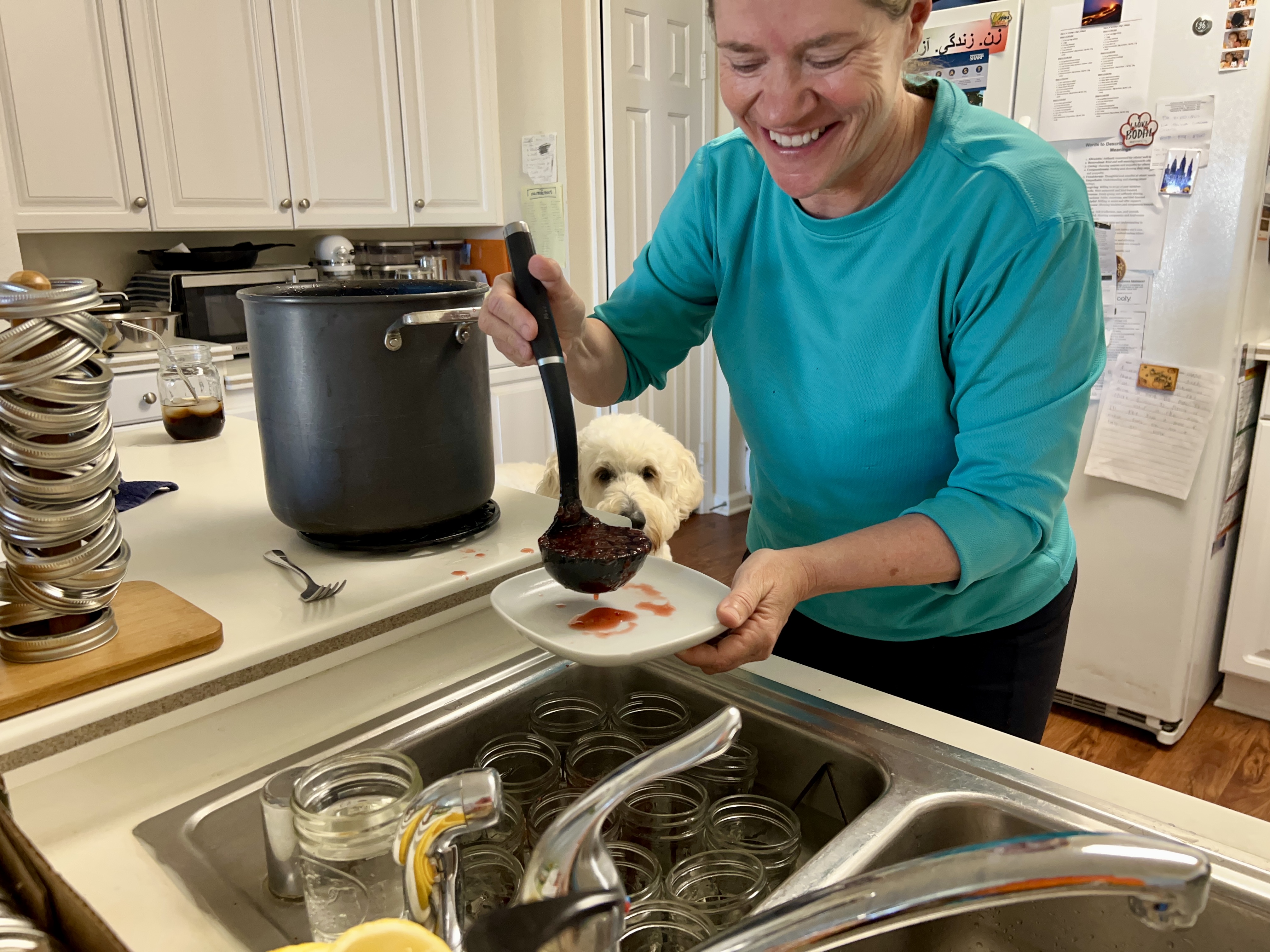
When we stop chasing every breaking story, the smaller ones happening around us become visible. The friend going through divorce who could use someone to listen. The neighbor who finally got that promotion. The light hitting the kitchen counter just right on summer afternoons.
I decided to become more discerning about what gets my attention. We can care deeply about what happens in the world without letting the news consume our mental space. Clean water projects in sub-Saharan Africa and others like it require our kindness, compassion, and generosity. Rather, it is about choosing deliberate action over passive consumption of crisis coverage.
“We are here to help each other get through this thing,” Kurt Vonnegut wrote, “whatever it is.”2 He didn’t specified that “this thing” required constant monitoring of global catastrophes. Maybe what we really need is to stay planted long enough to actually help when help is needed.
Local knowledge feels sacred. Learning that the cashier at the grocery store is having a rough week. Knowing Mrs. Patterson at church has knees that start hurting two hours before a storm comes. Making eye contact with the barista instead of scrolling through a phone.
Most of what actually matters happens between the headlines. We can influence way less than we think, but that small sphere matters more than the media wants us to believe. We have gotten used to living everywhere except where we actually are—refreshing feeds about places we are not likely to visit, getting worked up about people we might not ever meet. The people and communities actually needing our help are usually standing close enough to touch.
Sometimes people ask if I feel guilty about my news moratorium. I do not. The question assumes there is virtue in constant consumption of information, as if awareness itself were a form of activism. I have yet to meet anyone who became more compassionate through exposure to more headlines.
What makes people kinder is proximity. Close enough to see when someone is having a hard time. Near enough to actually help when help is needed. This requires rootedness that is hard to maintain when your attention is scattered across multiple time zones.
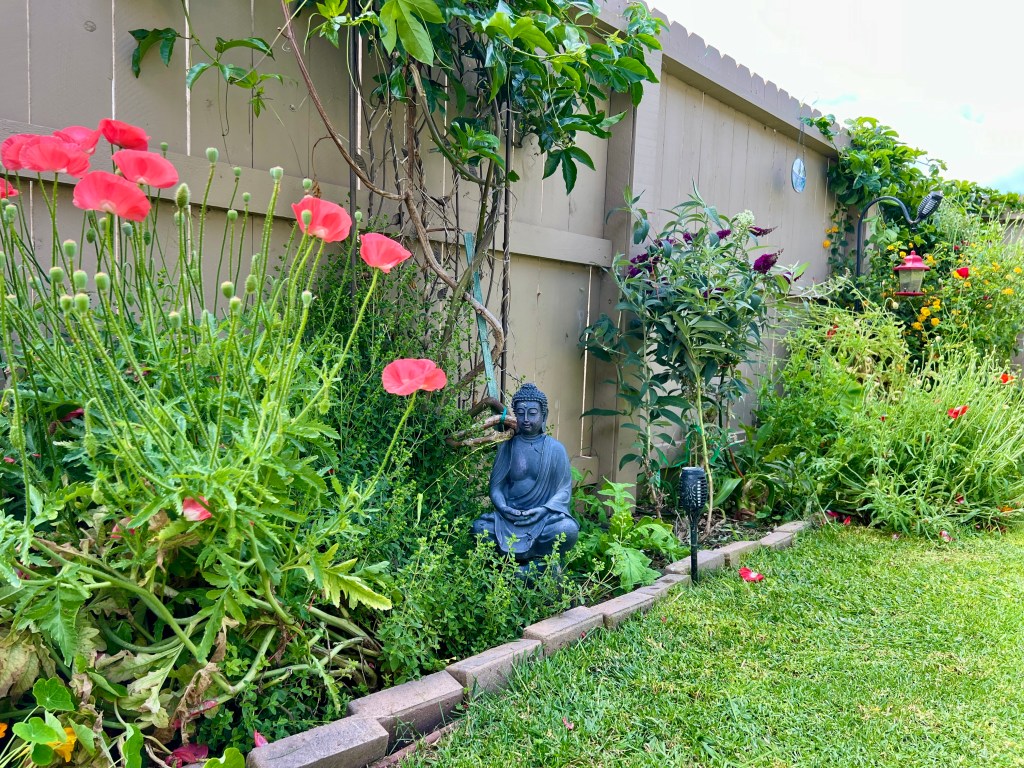
So I tend my small corner of the world, literal and metaphorical. My spouse handles the aesthetics of our yard. I mostly do cleanup duty. Dog poop, grass cutting, border edging. We both tend the same small piece of earth, just in different ways.
I used to think engagement meant keeping up with everything happening everywhere. Now I know it means showing up for what is happening right here.
When I am quiet enough to listen, I hear better what is there all along: love. Not the greeting-card kind, the real kind. The kind that shows up in ordinary moments and stays steady through chaos. The kind that connects us deeper than our arguments and fears.
That is what lasts. Not the breaking news or the outrage cycles or the constant noise. The inaudible work that keeps going whether anyone notices or not. Bees in a garden, making something sweet out of whatever they find.

 Captain Reverend Mother
Leave a comment